The Impact of Seasonal Changes on Personal Injury Cases in Florida
LH
As the seasons change in Florida, the state's unique climate and environmental conditions can have a significant impact on personal injury cases. Understanding these variations is crucial for both legal professionals and those involved in personal injury claims.
Weather-Related Accidents
Florida's weather can be unpredictable, with sudden changes that affect road conditions and safety. During the rainy season, from May to October, heavy downpours can lead to slippery roads and poor visibility, increasing the risk of car accidents. Legal professionals must consider these factors when evaluating the circumstances of an incident.
Additionally, hurricane season, which spans from June to November, can cause significant property damage and personal injuries. The aftermath of a hurricane often involves complex insurance claims and legal disputes, requiring specialized knowledge and experience.

Recreational Activities and Injuries
Florida's warm climate makes it a popular destination for outdoor activities year-round. However, certain seasons bring specific risks. During the summer months, water-related activities, such as boating and jet skiing, become more prevalent. These activities, while enjoyable, can lead to accidents and injuries, often involving negligence or equipment failure.
Fall and winter attract tourists seeking to escape colder climates, increasing the number of pedestrians and cyclists. This influx can lead to a rise in accidents, highlighting the need for diligent legal assessment in personal injury cases involving non-motorists.

Impact on Slip and Fall Cases
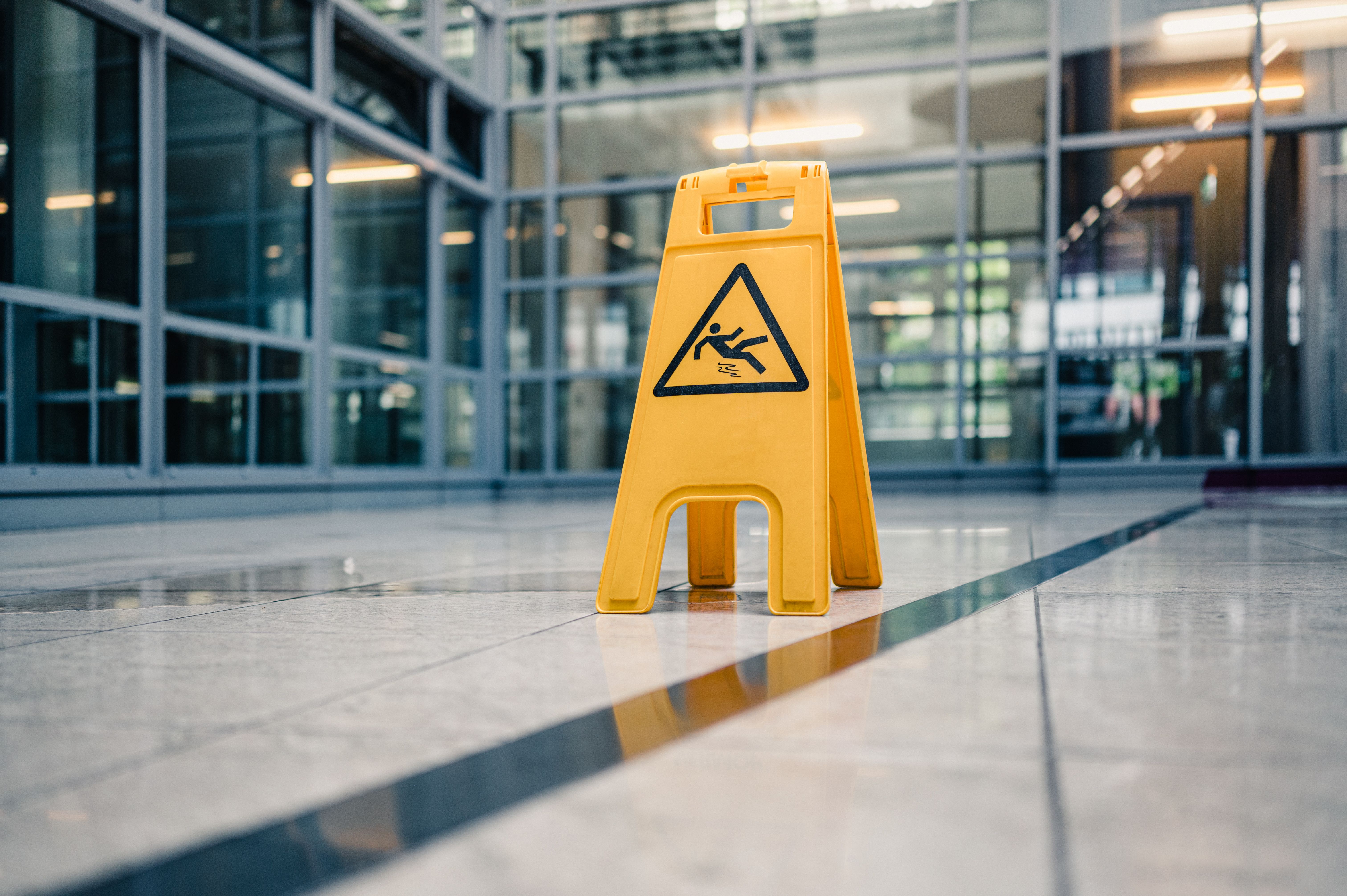
While Florida is known for its mild winters, cooler temperatures can still contribute to slip and fall accidents. Rain and morning dew can create slick surfaces, particularly in outdoor areas and entryways. Property owners must ensure proper maintenance to prevent these types of incidents, or they may face liability for injuries.
In personal injury cases, establishing negligence involves assessing whether the property owner took reasonable steps to address potential hazards. Seasonal conditions are a key consideration in determining liability.
Legal Considerations and Adjustments
Legal professionals handling personal injury cases in Florida must be attuned to seasonal variations and their implications. This includes understanding how weather and environmental factors can influence the cause and severity of injuries. Proper documentation and expert testimony may be necessary to support claims.
Moreover, insurance companies may adjust their policies and procedures based on seasonal risks. Staying informed about these changes is crucial for both lawyers and clients to ensure fair compensation and resolution of claims.
Conclusion
Seasonal changes in Florida present unique challenges and considerations for personal injury cases. By understanding the impact of weather, recreational activities, and environmental conditions, legal professionals can better navigate the complexities of these cases. Whether dealing with car accidents, slip and falls, or recreational injuries, taking seasonal factors into account is essential for achieving successful outcomes.