Seasonal Road Safety Tips: Preparing for Florida’s Weather Conditions
LH
Understanding Florida's Unique Weather Challenges
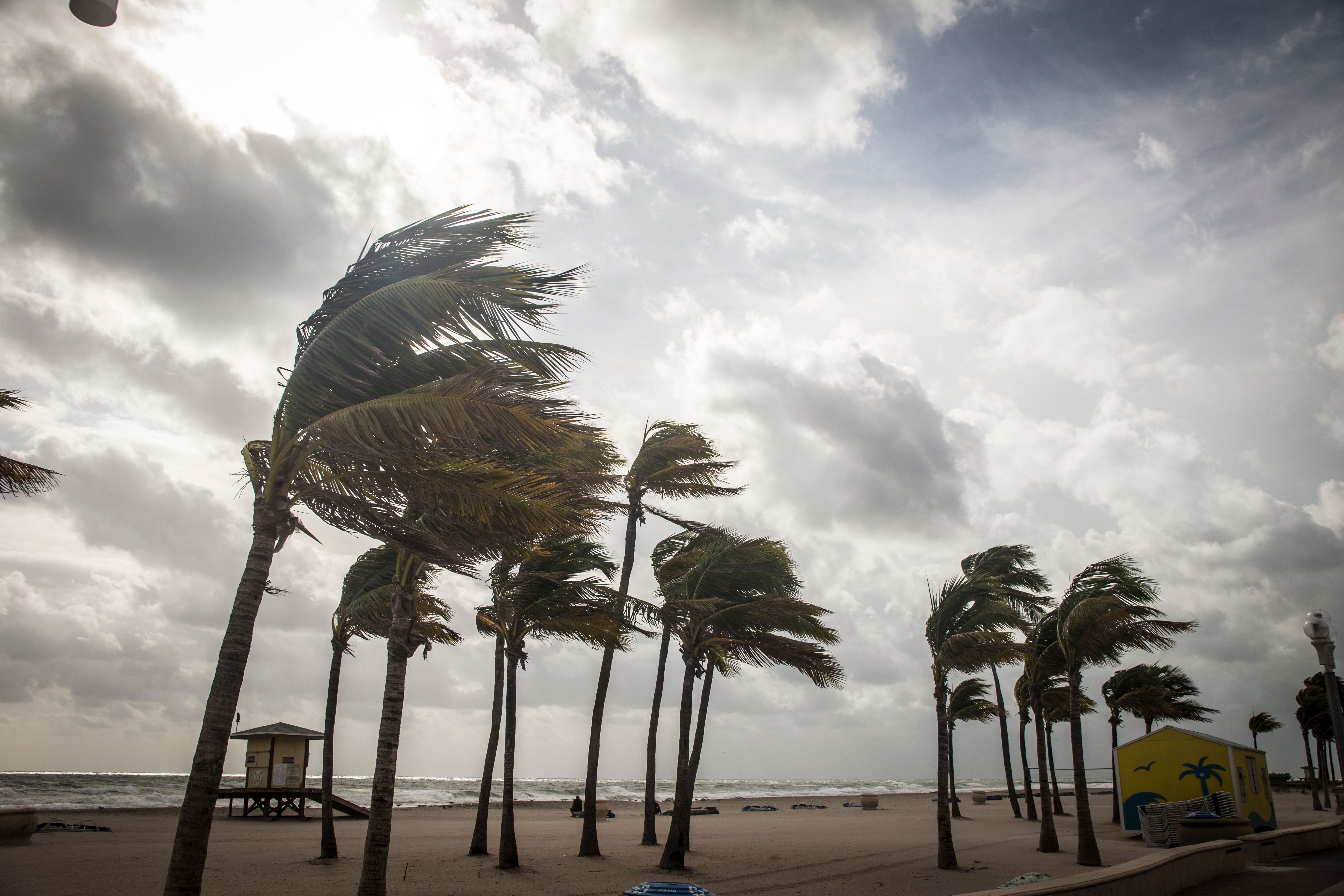
Florida's weather is as diverse as it is unpredictable, with sunny days often abruptly interrupted by thunderstorms. This unique climate poses specific challenges for drivers, requiring awareness and preparation to ensure safety on the roads. Understanding these weather patterns is the first step in staying safe.
Preparing Your Vehicle for Rainy Days
Frequent rain showers can make driving in Florida particularly hazardous. To prepare, ensure your vehicle’s windshield wipers are in good condition and that your tires have sufficient tread depth. Properly functioning brakes are also crucial in wet conditions.
Regular maintenance checks are essential. Consider keeping an emergency kit in your car with items like a flashlight, rain poncho, and a first-aid kit. This preparation can make a significant difference in an unexpected situation.

Navigating Hurricane Season
Hurricane season in Florida, from June to November, presents additional challenges. It's vital to have a plan in place. Keep your gas tank at least half full to avoid running out of fuel during evacuations. Know multiple routes to your destination in case of road closures or congestion.
Staying informed is key. Monitor weather updates and heed warnings from local authorities. Evacuate if instructed to do so, and always prioritize safety over convenience.
Staying Safe in the Sunshine
While sunshine is a staple in Florida, it can lead to specific driving hazards. Glare from the sun can reduce visibility, so wearing polarized sunglasses and using your sun visor can help minimize this risk.

Heat-Related Vehicle Concerns
High temperatures can affect your vehicle's performance. Check your car’s coolant levels and ensure the air conditioning is working effectively. Overheating can lead to breakdowns, so regular engine checks are advisable.
Dealing with Fog and Mist
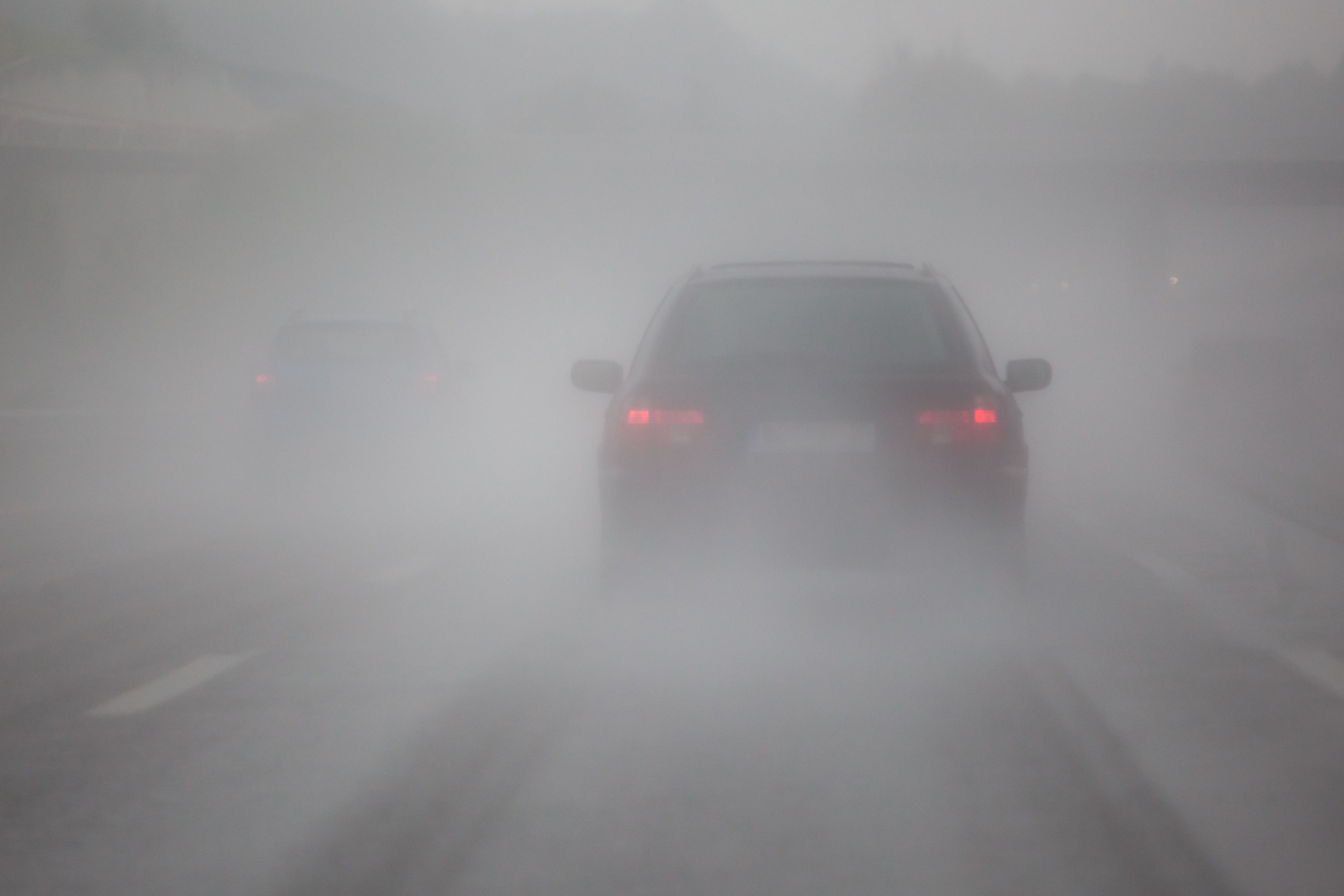
Fog can appear suddenly, especially in the early morning or late evening. Reduce your speed and use low beam headlights to improve visibility. Avoid using high beams as they can reflect off the fog and worsen visibility.
Maintain a safe distance from the vehicle in front of you, and be cautious of sudden stops. If visibility becomes too poor, it’s safer to pull over and wait for conditions to improve.
Conclusion: Stay Alert and Prepared
Driving in Florida's varied weather conditions requires preparation and vigilance. By following these tips and keeping your vehicle in optimal condition, you can navigate the roads more safely. Always stay informed about the weather and adjust your driving habits accordingly.