Navigating Auto Accidents in Florida: What You Need to Know
LH
Understanding Florida's No-Fault Insurance System
Florida operates under a unique no-fault insurance system, meaning each driver's insurance covers their own medical expenses regardless of who caused the accident. This system is designed to reduce the need for litigation and ensure quicker payouts. However, understanding the nuances of this system is crucial for effectively managing claims.
Under this system, drivers are required to carry Personal Injury Protection (PIP) insurance. PIP covers up to $10,000 in medical costs and lost wages. It's important to note that this coverage might not suffice for severe accidents.

Steps to Take Immediately After an Accident
Being involved in an auto accident can be overwhelming. Here’s a quick guide on what to do immediately after:
- Check for Injuries: Ensure everyone is safe. Call emergency services if needed.
- Move to Safety: If possible, move vehicles out of traffic.
- Document the Scene: Take photos of the damage and gather witness contact information.
- Exchange Information: Share insurance and contact details with the other driver.
These initial steps are crucial for protecting your rights and ensuring the safety of everyone involved.

Reporting the Accident
In Florida, you must report an accident to law enforcement if it results in injury, death, or property damage exceeding $500. Failure to report such incidents can result in penalties. Additionally, inform your insurance company promptly to initiate the claims process.
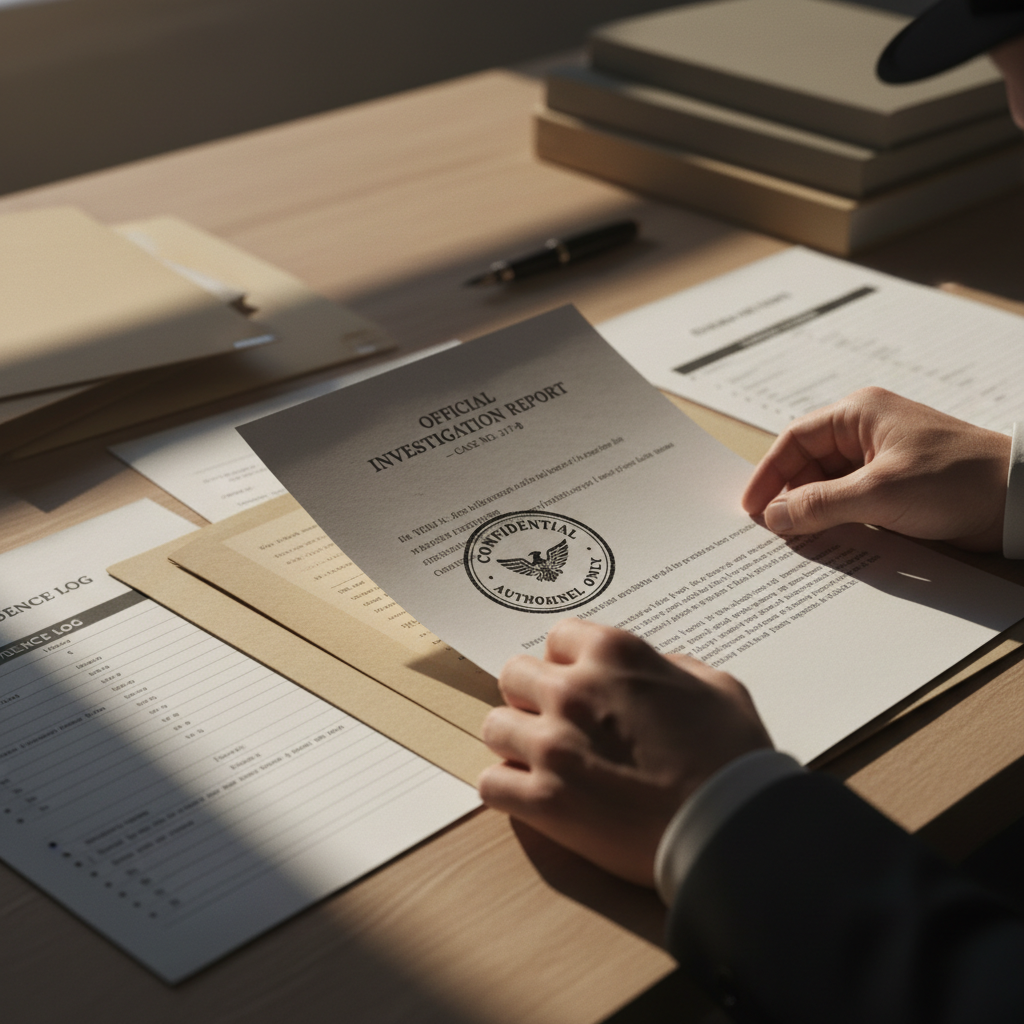
Keeping a record of the police report can also prove beneficial when dealing with insurance companies. This report serves as an official account of the incident and can be used to validate your claims.
Understanding Fault and Liability
While Florida is a no-fault state, determining liability is still vital for certain claims, especially when damages exceed PIP limits. In such cases, you may file a lawsuit against the at-fault driver. Establishing fault involves proving negligence, which can be complex and may require legal assistance.
Meeting with an attorney can help clarify your options and guide you through the litigation process if necessary.
Dealing with Insurance Companies
Communicating with insurance companies can often be daunting. It’s important to provide accurate information and avoid admitting fault. Insurance adjusters may try to minimize payouts, so understanding your policy and rights is essential.
Consider consulting with a legal professional if you feel that the insurance company is not offering a fair settlement. An attorney can negotiate on your behalf to ensure you receive appropriate compensation.
Seeking Legal Assistance
In cases of severe injuries or disputes over liability, consulting with a lawyer specializing in auto accidents can be beneficial. They can help navigate complex legal processes and ensure that your rights are protected.
Legal professionals can provide guidance on filing lawsuits and represent you in court if necessary, increasing the likelihood of a favorable outcome.

Conclusion
Auto accidents in Florida present unique challenges due to the no-fault insurance system. By understanding your rights and responsibilities, taking immediate action after an accident, and seeking professional guidance when needed, you can effectively navigate the aftermath of a collision.
Stay informed and prepared to ensure the best possible outcome in these unfortunate situations.